

Let’s be honest: in our fast-paced world, getting consistently good sleep often feels like a superpower. When counting sheep doesn’t work and you’re reluctant to reach for over-the-counter pills, turning to nature’s pharmacy is a popular choice.
For centuries, people have relied on the gentle power of plants to calm the mind and coax the body into a restful state. If you’re searching for a simple, natural way to wind down, here are some of the most well-known herbs that might just be your new best bedtime friends.
The Big Four: Popular Sleep Herbs and How They Work
Many different herbs are praised for their calming properties, but a few consistently rise to the top of the list in both traditional use and scientific study.
1. Valerian Root: The Heavy Hitter

Valerian root is arguably the most famous herbal sleep aid. Its power is thought to come from compounds like valerenic acid, which may interact with GABA receptors in your brain. GABA is a neurotransmitter that helps regulate nerve impulses, essentially acting as a natural brake for your nervous system.
- Original Insight: Unlike some remedies that offer an immediate effect, valerian is often a slow starter. Think of it less like a quick fix and more like a gentle, cumulative therapy. Many studies suggest you might need to take it consistently for a couple of weeks before noticing a significant improvement in how quickly you fall asleep.
- A Note on Scent: Be prepared—valerian has a famously strong, earthy odor (some would say it smells like old socks!). This is why it’s most commonly taken in capsule or tincture form, rather than as a tea.
Valerian ( Valeriana officinalis ) is a perennial flowering plant native to Europe, Asia, and even North America. However, its root is the real culprit. Since ancient Greek and Roman times, it has been used to treat sleeplessness and anxiety.
The Mechanism: How Does it Work?
The way valerian root works is a bit complicated, but it primarily focuses on an important chemical messenger in our brain: gamma-aminobutyric acid (GABA) .

- The GABA connection: GABA acts as a “brake” for our nervous system. When GABA levels increase, it reduces brain excitability, making us feel calm and sleepy.
- The role of valerenic acid: Valerian root contains an active compound called valerenic acid . Researchers believe this compound interacts with GABA receptors, increasing the availability of GABA in the brain.
- Prescription drug-like effects: This action is similar to how some prescription anti-anxiety medications (such as diazepam or Valium) work, but valerian works in a more mild and natural way.
Key Benefits and Effects
Valerian’s reputation isn’t limited to inducing sleep; it has other uses as well:
- Reduced Sleep Latency: The biggest claim is that it can help reduce sleep latency after going to bed.
- Improved sleep quality: Some people find that taking valerian makes them wake up less often during the night and that their sleep feels more “restorative” or deep.
- Reduced Anxiety: Because it calms the GABA system, valerian is especially useful for people whose sleep is disrupted by anxiety or restlessness.
One important thing: it takes time to work!
This is the most important thing to know about valerian root: it is not an instant sleeping pill.
- Gradual results: Most studies have shown that it takes two to four weeks of continuous use to see the full benefits of valerian.
- My personal advice: If you take it for one night and it doesn’t work, don’t be discouraged. Think of it as a supplement routine that needs time to accumulate in the body.
Safety and Side Effects: The Reality Check
Valerian is generally considered safe for short-term use, but there are a few things to keep in mind:
| Aspect | Details |
| Drowsiness | It may cause daytime sleepiness or mental dullness. Be careful before driving or operating machinery in the morning. |
| Unpleasant Odor | The root’s odor can be very strong, earthy, or even unpleasant, which is why it’s more commonly taken as a capsule or tincture rather than as a tea. |
| Vivid Dreams | Some users complain of unusually vivid or strange dreams after taking valerian. |
| Other medications (Interactions) | Since it is a sedative, taking it together with alcohol, other sleeping pills, or anti-anxiety medications may cause excessive drowsiness. Always consult a doctor. |
| Liver Concerns | Although very rare, there have been some cases of liver problems associated with the use of valerian. Do not take it if you have liver disease. |
2. Chamomile: The Classic Soother
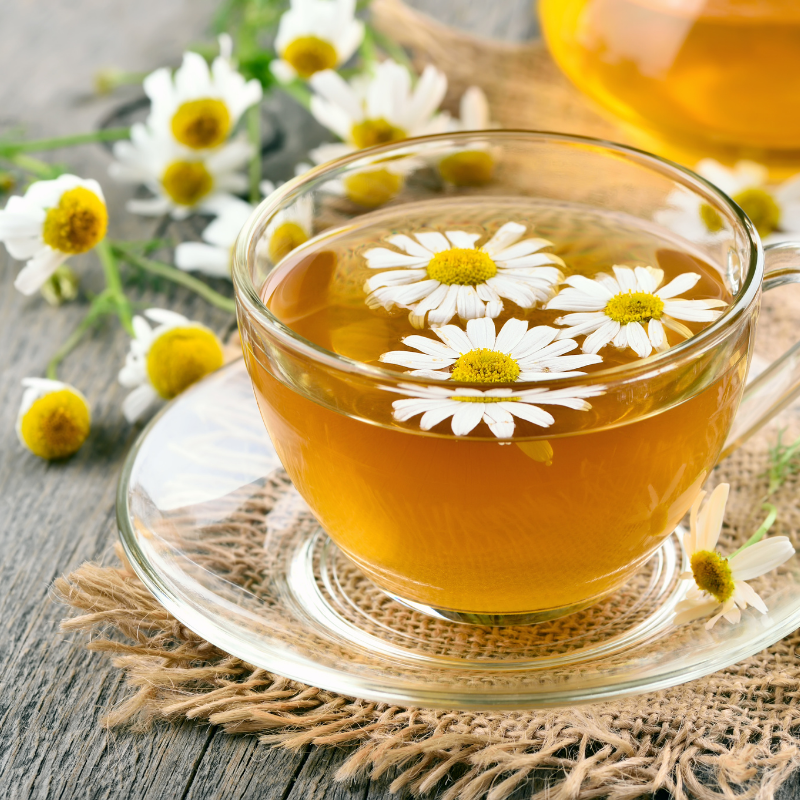
There’s a reason chamomile tea is the universal symbol for relaxation. Derived from the dried flowers of the Matricaria chamomilla plant, it has a wonderfully mild, pleasant taste and is a favorite for calming anxiety before bed.
The key compound in chamomile is an antioxidant called apigenin. This compound is believed to bind to receptors in the brain that promote sleepiness.

- Relatable Example: When you sip a warm mug of chamomile tea, you’re not just getting the herb’s benefits. The simple act of holding a warm drink, taking a break from screens, and creating a quiet evening ritual is incredibly powerful on its own. It’s a complete sensory package for relaxation.
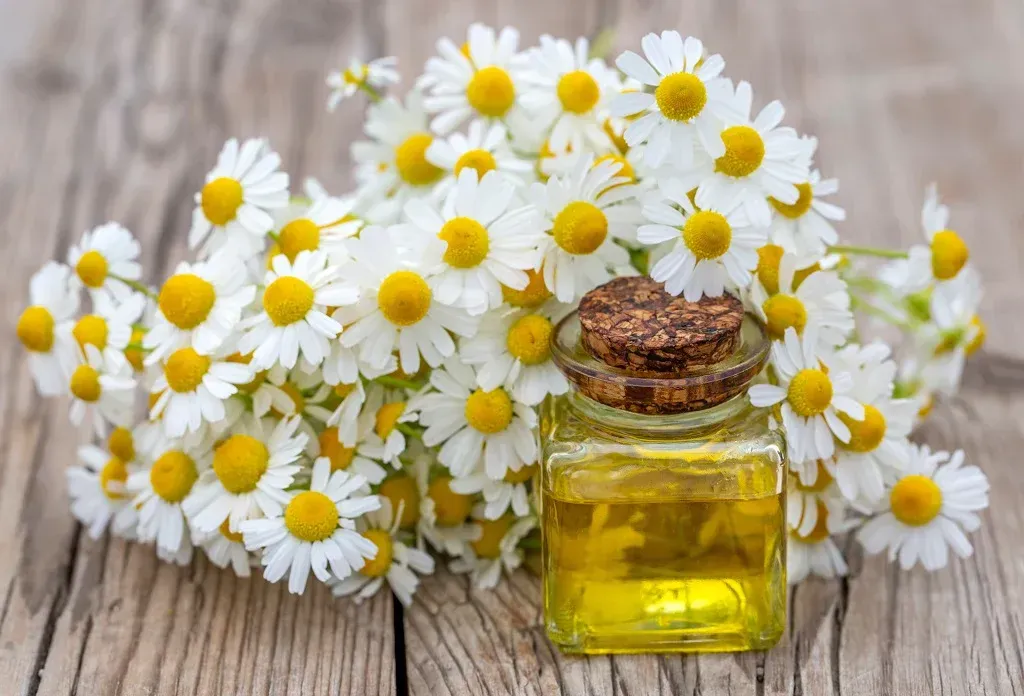
Chamomile, scientifically known as Matricaria chamomilla (German Chamomile) or Camellum nobile (Roman Chamomile), has been used for centuries to promote relaxation and sleep. It’s not just a hot beverage; it’s a relaxing experience that calms both the mind and body.
How does it bring peace? (The Science of Calmness)
Chamomile contains some naturally occurring bioactive compounds that are responsible for its calming effects:

- Apigenin: This is the most important antioxidant found in chamomile.
- Function: Apigenin binds to specific benzodiazepine receptors in the brain . These are the same receptors that sedative drugs use. This connection helps calm the mind and induce sleep.
- In simple terms: it gently tells your brain that “it’s time to stop.”
- Anti-inflammatory properties: Chamomile extract also has anti-inflammatory and mild pain-relieving properties. If you have mild stomach discomfort or pain that’s keeping you from sleeping, it can also help soothe it.
The benefits of chamomile are not limited to sleep (More Than Just a Bedtime Drink)
While it’s most famous for its nighttime calming effect, chamomile has other benefits as well:
- Improved digestion: It’s considered great for calming the stomach. Drinking warm chamomile tea can relieve stomach cramps and gas, helping you sleep at night.
- Anxiety and Stress: Chamomile can also be used during the day to reduce mild stress and general anxiety, without causing drowsiness.
Ways to Consume and Pro Tips
Using chamomile is easy and enjoyable, especially if you make it a ritual:
| Method | How to use it | Expert Tip |
| Tea | Drink a cup of warm chamomile tea 30-45 minutes before bed. Boil the flowers in water for 5-10 minutes to allow the apigenin to dissolve completely. | Add a teaspoon of honey or a little lemon balm—this can enhance its calming effect. |
| Essential Oil | Add a few drops of chamomile oil to a diffuser or massage it onto your wrists before bed. | It can also be used in bath water. Warm water and the scent of chamomile make a powerful relaxation combo. |
| Supplements | It is also available in capsule or tincture form, which may contain higher amounts of apigenin. | Choose this option if you want a more concentrated dose, but be sure to check the label before use. |
3. Lavender: The Aromatic Aid
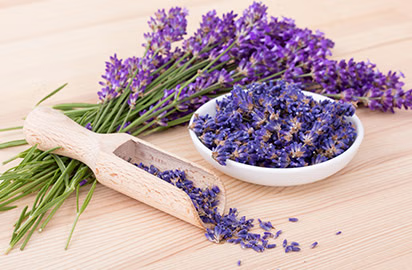
While most herbs are ingested, lavender primarily works through its wonderful scent. The essential oil from the Lavandula angustifolia plant is world-renowned for its soothing, anxiolytic (anxiety-reducing) effects.
- How to Use: You don’t necessarily need to drink it. Try placing a sachet under your pillow, spritzing a lavender linen spray on your sheets, or adding a few drops of the essential oil to a diffuser by your bedside.
- The Science: Research suggests that inhaling the scent of lavender can decrease heart rate and blood pressure, leading to a state of relaxation that makes drifting off to sleep much easier.
Lavender ( Lavandula angustifolia ) It is an aromatic shrub that has been used for centuries in perfumes, baths, and traditional medicine.In terms of sleep, it works a little differently than other herbs (like valerian)—it’s inhaled rather than drunk .
How does lavender work?
The effectiveness of lavender depends primarily on its essential oil and the compounds it contains, especially linalool and linalyl acetate .

- Calming the nervous system: When you smell lavender, these aromatic molecules travel directly from your nose to the limbic system . This is the part of the brain that controls emotions, memory, and mood.
- Reducing anxiety: Linalool is thought to affect GABA receptors in the brain (the same receptors that valerian root works on).It calms the body by reducing stress and anxiety.
- Physical effects: Several studies show that inhaling lavender may lower heart rate and blood pressure.When your body slows down, it prepares for sleep.
A Little Insight: Lavender is a natural “anxiety killer.” It’s great for people who struggle to sleep because their minds are overactive or they’re too worried.Instead of putting you to sleep directly, it calms your mind and body enough that sleep comes naturally.
Most Effective Ways to Use Lavender
It’s easy to incorporate lavender into your nighttime routine to reap its benefits:
| Method of Use | The Process | Why It Works |
| Diffuser | Add a few drops of lavender essential oil to your bedroom 30 minutes before bed . | It spreads an even and relaxing fragrance throughout the room, creating a calm atmosphere. |
| Pillow Spray | Spritz a lavender-infused spray on your pillow and sheets just before bed. | Scent is directly associated with your sleeping space, making it a powerful conditioning tool . Your brain immediately associates this scent with sleep. |
| Bath | Take a bath with 5-10 drops of lavender essential oil mixed in lukewarm water an hour before bedtime. | Hot water raises body temperature, which then causes it to drop rapidly once you’re in the room. This drop in temperature naturally induces sleep, and lavender adds a fragrant dimension. |
| Massage | Mix lavender oil with a carrier oil (like coconut or almond oil) and gently massage it into your temples or neck before bed. | Massage reduces physical tension, and oil molecules are absorbed through the skin. |
Safety and Caution
- Always dilute: Never apply lavender essential oil directly to the skin; dilute it with a carrier oil.
- Internal use: Avoid ingesting lavender oil unless it’s recommended by a specialist. Aromatherapy (sniffing) is the safest method.
- Pets: If you have pets, especially cats, be careful before using an essential oil diffuser around them, as it can be harmful to them.
4. Passionflower: Calming the Jitters
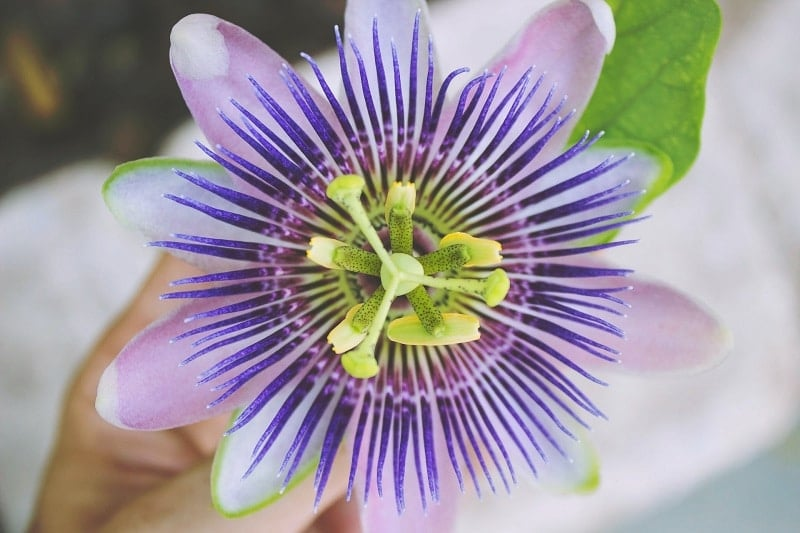
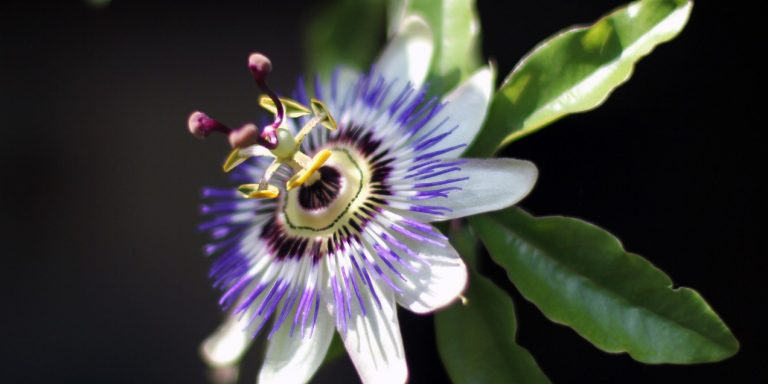

Passionflower (Passiflora incarnata) is particularly popular for people whose sleep problems stem from restlessness and anxiety. It has mild sedative properties that are thought to increase the levels of GABA in the brain, much like valerian.
- Key Benefit: If your mind tends to race the second your head hits the pillow, passionflower can be an excellent choice to help quiet that “nervous energy.” It’s often used in combination with other calming herbs.
Important Insights: What to Know Before You Try
While turning to plants feels inherently safe, it’s important to approach herbal remedies with a balanced perspective. They are natural, but they are also potent and can affect your body.
The Placebo Puzzle
One recurring theme in the research on herbal sleep aids is the challenge of the “placebo effect.” Sometimes, simply believing that a treatment will help is enough to bring about a positive change. This doesn’t mean the herbs don’t work, but it does mean that robust scientific proof can be tricky to gather, especially since clinical trials are expensive and herbs aren’t always patentable.
The Takeaway: If a safe herbal remedy helps you sleep, don’t worry too much about the exact mechanism! The end result—a good night’s rest—is what matters.

Safety and Side Effects
In general, most commonly used sleep herbs are safe for short-term use. However, remember these key warnings:
- Talk to Your Doctor: If you are taking any prescription sleep medications, anxiety drugs (especially benzodiazepines), or if you are pregnant or breastfeeding, always consult your healthcare provider before starting any new herbal supplement.
- Drowsiness: Because their goal is to make you sleepy, never drive or operate heavy machinery after taking a strong herbal sleep aid like valerian.
- Kava Caution: Although sometimes mentioned for anxiety and sleep, the herb Kava has been associated with rare but serious health issues, specifically liver problems. Due to these safety concerns, many experts recommend approaching Kava with extreme caution or avoiding it entirely.
Ultimately, herbal remedies are a wonderful tool to support a healthy sleep routine. Try one, pair it with good sleep hygiene (like keeping your room cool and dark), and see if the ancient power of plants can help you finally achieve that restorative sleep you deserve.
#HerbalRemedies #NaturalHealing #Ayurveda #HerbalMedicine #OrganicLiving #HolisticHealth #HomeRemedies #NaturalCures #WellnessJourney #PlantBasedHealing #HerbalLife #ImmuneBoost #Carrerbook#Anslation#NatureTherapy #HealthyLiving #GreenWellness #HerbalCare #HealingNaturally #MindBodySoul #AlternativeMedicine #HerbalBenefits